Cryptocurrency fraud is a growing concern, with the 2023 IC3 Cryptocurrency Fraud Report revealing over 69,000 complaints and losses exceeding $5.6 billion. Although these cases accounted for just 10% of all financial fraud reports, they made up nearly 50% of total losses, highlighting the seriousness of scams such as investment fraud, phishing attacks, and kiosk scams. The decentralized nature and irreversible transactions of these digital assets make it challenging to recover stolen cryptocurrency.
So, how do we protect and ensure our investments are safe? It requires someone with a history of experiencing the blockchain industry dynamics as well as up-to-date knowledge about what is about to happen next. To meet these expectations, seeking the guidance of an expert cryptocurrency consultant should be your prime decision. These professionals provide invaluable support to manage risks and prevent fraud. Let us thoroughly understand how crucial it is to secure our digital investments and these experts’ vital role in achieving that security.
The robust blockchain security of cryptocurrency also makes transactions a one-way ticket. Once a transaction is completed on the blockchain, it cannot be undone or disputed. This means that if your assets are stolen or mistakenly sent, there is no way to recover them.
Given cryptocurrencies’ significantly rising value, they are prime targets for cybercriminals. Hackers often exploit vulnerabilities in cryptocurrency exchanges, wallets, and even individual users through different techniques, such as malware, fake wallets and exchanges, Ponzi schemes, and social engineering.
Many individuals are drawn to cryptocurrencies for their promise of privacy and anonymity in transactions. However, without proper security measures, personal information can be exposed, leading to risks such as identity theft or targeted attacks.
As cryptocurrencies become more regulated across various jurisdictions, ensuring the security of your investments can help you comply with legal requirements. Failure to adhere to these security standards may result in legal repercussions, loss of access to funds, or even penalties.
Let us learn how cryptocurrency consultants can help protect you from the risks, security challenges, and volatility of the cryptocurrency market:
A cryptocurrency consultant will conduct a comprehensive risk assessment of your current holdings and investment strategies. This process involves a detailed analysis of the security protocols used by wallets and exchanges to identify vulnerabilities. After pinpointing weak spots in your security, a consultant develops customized strategies to strengthen your defences against scams, hacking attempts, and phishing attacks.
A significant part of your consultant’s role is to educate you on best practices for managing your cryptocurrency. Most cryptocurrency thefts occur due to user error or negligence. Crypto investment consultants will recommend and help implement various security measures, including multi-factor authentication (MFA) and strong encryption protocols. They will provide training on safeguarding private keys, using strong passwords, and recognizing common phishing attempts and scams.
To secure your digital assets, you must select the right wallet and securely set it up. Your consultant will help you choose between hot, cold, or multi-signature wallets based on your investment strategy and security needs.
It is crucial to stay informed about the latest trends in cybersecurity and the cryptocurrency market. Crypto consultants regularly update you on necessary security practices and protocol changes to ensure you remain one step ahead of potential threats. In the event of a security breach or fraud attempt, immediate support and guidance are provided, helping you respond effectively to minimize losses and recover assets.
Having a well-defined exit strategy is essential for any investment, including cryptocurrency. Professionals can help you plan for both short-term and long-term selling strategies that align with your financial goals. Additionally, they will provide guidance on tax implications related to cryptocurrency transactions, helping you optimize your tax situation. The Canada Revenue Agency (CRA) has issued guidelines regarding cryptocurrency taxation, and staying informed about these can save you from costly mistakes in the future.
Understanding the differences between custodial and non-custodial wallets can be confusing. Custodial wallets offer added convenience and security, making them suitable for those who may lack the expertise to manage their assets effectively. In contrast, non-custodial wallets, like those available on our crypto trading platform in Canada, provide greater control over your investments but require more diligence in management. A cryptocurrency consultant evaluates the pros and cons of each option based on your investment goals and risk tolerance, ensuring you make informed decisions tailored to your needs.
Successful cryptocurrency investing demands ongoing knowledge and awareness of market trends and regulations. Without this, you risk falling prey to scams or making unwise decisions that could lead to financial losses. A cryptocurrency consultant can provide essential guidance and help you get through these complexities while keeping your assets safe. If you are looking for such guidance, you can reach out to us at The Crypto Exchange. Let us help you protect and grow your cryptocurrency portfolio!
Cryptocurrency trading has become increasingly popular in recent years as a way for investors to grow their wealth. As the market expands, trading platforms are also emerging, each promising to offer the best features and services. When choosing a cryptocurrency exchange, key factors such as liquidity, user-friendliness, and regional availability should be considered top priorities. Focusing on these factors from the beginning can save you both time and money. Besides these factors, there are other concerns to keep in mind when selecting a reliable trading platform. In this blog, we will explore the features and services that set these platforms apart from the rest. Whether you’re an experienced trader or you’re just getting started, this guide will help you find the right exchange.
When using a Crypto Trading Platform Canada, it’s important to choose one that supports non-custodial wallets. These wallets give you full control over your private keys, ensuring that only you can access and manage your funds. This reduces the risk of hacking, as there is no central point for attackers to target. Also, non-custodial wallets protect you from fraud and unethical practices, as you’re not reliant on a third party to manage your assets. They also offer better privacy by requiring less personal information, reducing the risk of data breaches. Thus, non-custodial wallets enhance the security and autonomy of your crypto holdings.
In addition to offering a non-custodial wallet, a top-tier trading app should implement advanced security measures to protect your assets. Look for features like two-factor authentication (2FA), which adds an extra layer of verification beyond your password. Biometric authentication, such as fingerprint or facial recognition, provides a convenient yet secure way to access your wallet. Password-protected access ensures that only authorized users can log in. These comprehensive security features collectively contribute to making the app one of the safest crypto exchange platforms, enhancing the safety of your cryptocurrency holdings and giving you greater peace of mind.
When choosing a crypto trading platform, the Multi-Swap Feature is an essential factor to consider. This feature enables you to exchange one cryptocurrency for another across a vast array of trading pairs. Here’s how it enhances your trading experience:
The Multi-Swap Feature simplifies your trading process by eliminating the need for multiple transactions. Instead of managing several trades separately, you can complete your swaps directly within your wallet. This not only saves time but also makes it easier to manage and diversify your cryptocurrency holdings efficiently.
Instant Transactions make sure your trades occur quickly with very little delay. This is crucial during times when the market is highly volatile and prices can change rapidly. With fast transaction processing, the platform lets you take advantage of market opportunities without waiting. So, it’s important to choose a crypto consultant who provides quick and secure transfers of your crypto assets.
Opt for a platform that offers mobile apps for both iOS and Android devices. This way, you can manage your cryptocurrency assets and execute trades from anywhere, whether you’re commuting or travelling. This convenience allows you to complete different tasks directly from your smartphone or tablet, such as managing transactions, monitoring portfolios, and staying engaged with the market. Besides, mobile platforms provide real-time notifications and updates on market movements and account activities, ensuring you remain informed and able to make timely decisions on the go.
If you’re managing multiple cryptocurrencies and want to keep your investments organized multi-portfolio management feature is essential. Here’s why this feature should be on your radar:
You can improve your trading by merging your wallet with the broader Web3 ecosystem. This feature provides improved connectivity which allows you to link your wallet with various decentralized applications (dApps), exchanges, and other cryptocurrency services. It expands your options for trading, investing, and managing assets. Wallet Connect also upgrades interoperability, which offers a fluid and interconnected crypto experience by enabling interaction with different platforms without the hassle of transferring assets between multiple wallets. This integration simplifies transactions, making the process of managing and exchanging assets across platforms more efficient and reducing the complexity of managing your cryptocurrency portfolio.
Optimized crypto purchases are crucial for making informed and efficient decisions when buying cryptocurrencies. Key features to look for in a platform include:
Selecting the safest crypto exchange platform is a challenging decision that involves considering several key factors, including security, privacy, fees, tools, and overall functionality. By narrowing your choices and focusing on the features that are most important to you, you can identify a platform that aligns with your needs and preferences. The Crypto Exchange is your go-to platform that operates on a decentralized network of computers using blockchain technology to manage and record transactions. You can trust us as we prioritize your security and offer a user-friendly experience in trading.
Cryptocurrency has arisen globally, with a growing number of individuals investing in digital assets daily.
| According to Statista, the number of cryptocurrency users is expected to reach 861 million by 2025. |
This increase in interest has led to a sharp increase in demand for secure and reliable cryptocurrency wallets. In recent years, crypto wallets have developed beyond their traditional roles of securely storing wallet secrets, signing transactions, and interacting with decentralized applications (dApps). They have become more feature-rich to meet user demands. However, as the functionalities and features of crypto wallets expand, so do the associated risks. Whether you are a first-time cryptocurrency wallet user or a regular one, understanding the security risks and the key elements that are associated with crypto wallets is important. Let’s understand them in detail if you want to securely use a cryptocurrency wallet:
Phishing attacks can trick you into revealing your private keys or login credentials by masquerading as a legitimate source. Attackers usually use fake websites, emails, or messages that closely resemble legitimate ones to attract users into entering their credentials. If you accidentally enter your information on a phishing site, attackers can gain access to your wallet and transfer your cryptocurrency to their own accounts. Also, your personal data could be compromised, leading to further attacks. This risk is heightened if you are not aware of verifying the authenticity of websites or communications.
It targets a user’s device to install malicious software that steals private keys or other sensitive data. This malware can take various forms, such as trojans, keyloggers, or spyware. For example, if you download malicious software disguised as benign, it could log your keystrokes, monitor your activities, or directly extract wallet files. If the malware successfully acquires your private keys or login information, it could lead to the theft of your cryptocurrency.
To remove malware from your device, you need to install antivirus or anti-malware scans, which can take hours. To fully recover your crypto wallet, you have to reinstall your operating system and restore your wallet from backups which will take additional time.
Key derivation is the process of generating private keys from a seed phrase or password. If this process is flawed, it can lead to weak keys that are more vulnerable to brute-force attacks. This allows hackers to gain unauthorized access to your wallet and steal your funds. Besides, non-standard or poorly documented key derivation methods can cause issues with wallet recovery. With this, you can permanently lose access to your assets. The impact of such vulnerabilities is severe—stolen funds are often unrecoverable, and even if you simply lose access, resolving the issue could take days or weeks, depending on the complexity of the situation.
Storing private keys or wallet data in insecure locations increases the risk of unauthorized access. For example, if you save your private key in plain text on your computer or an unencrypted cloud service, it can be accessed by anyone who gains access to those files. Secure storage involves using encrypted files, hardware wallets, or secure backup solutions to protect your private keys from theft or loss.
Using the same password to encrypt multiple sensitive fields, such as your private key and backup phrases, can be risky. If an attacker discovers this password, they can decrypt all the encrypted information. This means that if one layer of encryption is breached, multiple pieces of sensitive data are compromised. Using unique passwords or encryption keys for different data fields enhances security by limiting the impact of a single breach.
Failing to comply with regulatory requirements can expose you to legal risks and vulnerabilities. For example, if a wallet provider or service does not adhere to anti-money laundering (AML) or know-your-customer (KYC) regulations, it can attract unwanted scrutiny or legal action. Also, non-compliance with data protection laws could lead to security breaches or mishandling of personal information. Ensuring that both you and your wallet provider adhere to relevant regulations helps protect your assets and personal information.
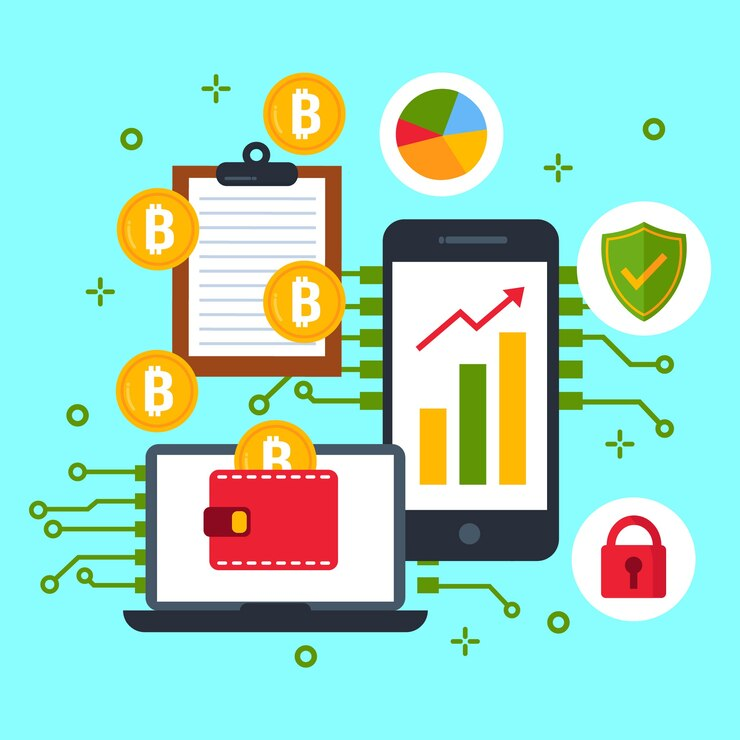
A private key is a long string of characters that grants access to your cryptocurrency holdings. Anyone with access to your private key can control your funds, so managing it securely is essential.
Secure private key management ensures that only you can access your funds. By storing your private key in a secure environment—such as a hardware wallet or encrypted digital storage—you minimize the risk of theft. It’s necessary never to share your private key or store it in easily accessible locations like cloud storage, as these are susceptible to hacking.
To safeguard your crypto holdings, always use a strong password. A strong password is a complex and unique combination of letters, numbers, and symbols that is difficult to guess or crack. It is your first line of defence against unauthorized access. Weak or easily guessable passwords can be quickly cracked by attackers using brute force methods or simple guessing. If you find it difficult to find a strong password, you can use a password manager. It can help you create and store complex passwords securely, reducing the chance of a breach.
2FA adds an additional layer of security by requiring two forms of identification before granting access to your wallet. This involves something you know (a password) and something you have (a one-time code sent to your phone or generated by a crypto wallet app). Even if a hacker obtains your password, they would still need the second factor (e.g., your phone or an authentication app) to access your wallet. This reduces the risk of unauthorized access if your password is compromised through phishing or other means.
Software updates are new versions of wallet software that include security patches, bug fixes, and new features. Developers continuously work to identify and fix vulnerabilities. Therefore, keeping your wallet software up to date ensures you have the latest protections against emerging threats. Ignoring updates can leave your wallet exposed to known vulnerabilities that hackers can exploit.
Public Wi-Fi networks are often unsecured, meaning data transmitted over them can be intercepted by hackers using techniques like man-in-the-middle attacks. So avoid using public Wi-Fi when accessing your cryptocurrency wallet. You reduce the risk of having your login credentials, private keys, or other sensitive information intercepted by hackers. Instead, use a secure, private internet connection or a trusted VPN service to access your wallet.
One of the most secure methods for protecting your cryptocurrency is cold storage because it eliminates the risk of online hacks. Since the private keys are stored offline, they are immune to malware, phishing, and other forms of cyberattacks. However, it’s crucial to keep the physical storage devices or paper wallets in a safe, secure location, as they can be lost or stolen. Here are the offline methods to store your cryptocurrency:
Protecting your crypto holdings is an ongoing process that requires carefulness and strategy against emerging threats. By staying informed and following the above-mentioned security measures, you can manage your crypto with confidence. However, choosing the right platform to keep your crypto is equally important. You can rely on The Crypto Exchange’s wallet to secure your cryptocurrency. It is the most advanced and safest crypto wallet on which users can have access to swap across 3000+ trading pairs. Visit our website to learn more!
DeFi, or decentralized finance, has arisen as a transformative force in the financial industry, promising open access to financial services using blockchain technology. At the core of this shift are DeFi crypto wallets, which serve as the primary gateway for users to interact with the decentralized financial ecosystem. The growing popularity of DeFi wallets is not just a technological trend but a potential disruptor to the traditional banking sector.
As more people adopt these wallets to access various financial services, the lines between conventional banking and decentralized finance are beginning to blur. Therefore, with the rising usage of the Defi Crypto wallet, it becomes imperative to understand its ins and outs, benefits, and the profound impact they could have on the future of banking and this post will serve the purpose thoroughly.
DeFi has its roots in the early days of cryptocurrency but has gained substantial traction over the past few years. Initially, blockchain technology was primarily associated with cryptocurrencies like Bitcoin. However, the introduction of Ethereum in 2015, with its smart contract functionality, laid the foundation for DeFi applications. These applications have since evolved, offering a wide range of financial services, including lending, borrowing, trading, and earning interest, without traditional financial institutions.
A DeFi crypto wallet is a digital wallet that enables users to store, manage, and trade with cryptocurrencies without needing a central authority. Unlike typical bank wallets or custodial cryptocurrency wallets, DeFi wallets empower users with total control over their private keys, assuring genuine asset ownership.
There are three types of Defi Wallets, and each type caters to different user needs, balancing security, convenience, and functionality. These are:-
Software Wallets: These are applications that are installed on a user’s computer or mobile device, offering ease of access and a user-friendly interface.
Hardware Wallets: Physical devices that store cryptocurrencies offline, providing enhanced security against hacking.
Mobile Wallets: Wallets that combine the accessibility of software wallets with the convenience of mobile use, allowing users to manage their assets on the go.
Speaking of the critical features of the best Defi Crypto wallet app, include security measures like encryption and multi-signature support, seamless integration with various DeFi protocols, and the ability to interact directly with decentralized applications (dApps).
Traditional banking relies on centralized organizations like banks and financial intermediaries to enable transactions, loans, and deposits. These organizations act as trustworthy third parties, managing and controlling economic activities. However, this concentration has considerable downsides. High fees, restricted access for underbanked communities, and lengthy transaction times are just a few of the significant challenges. For example, overseas remittances take multiple days and cost more money.
DeFi, on the other hand, offers an alternative financial system built on blockchain technology. This decentralized approach eliminates the need for intermediaries, resulting in lower transaction costs and faster processing times. Critical advantages of DeFi Crypto Wallet include:
DeFi technology can automate many banking processes through smart contracts, self-executing contracts with the terms directly written into code. This automation reduces the need for manual intervention, thereby speeding up transactions and reducing the possibility of human error.
Another key benefit of the Crypto Wallet app is the decrease in costs. Traditional banking requires multiple middlemen, each charging a fee for their services. DeFi eliminates many intermediaries, lowering bank and user transaction fees and total expenses. This cost reduction has the potential to make financial services more affordable and accessible to a broader range of people.
DeFi wallets utilize advanced cryptographic techniques to secure transactions and data. Storing data on decentralized blockchains significantly reduces the risk of data breaches and cyber-attacks compared to centralized systems. Increased security could help banks protect sensitive customer information and build trust with their clients.
DeFi wallets can provide banking services to the unbanked and underbanked populations, who often lack access to traditional banking due to geographic, economic, or social barriers. With just a smartphone and internet access, individuals can participate in the global financial system, access credit, and save money securely.
The future integration of DeFi wallets with traditional banking seems promising. As regulatory frameworks become clearer and technology advances, more institutions will explore and use DeFi solutions. DeFi Crypto wallet is an appealing concept for the banking industry because it has the potential for higher efficiency, cost reductions, improved security, and broader financial inclusion.
For every crypto trader willing to trade multiple cryptocurrencies, understanding the use and significance of cross-chain wallets is essential. They are more convenient and useful options as compared to traditional crypto wallets. With a greater level of interoperability, cross-chain swaps, and compatibility with various platforms, these wallets are easing the way traders buy, sell and secure crypto coins.
If you are new to this technology, let’s understand here in a discussion why these wallets should be a part of your crypto trading.
As the name suggests, Cross-chain wallets are the ones that support crypto transactions among different types of blockchains. You can transfer, store and manage your multiple digital coins in these wallets. They are considered more convenient and useful than the older wallets due to their interoperability.
These bridges serve as connectors between different blockchain networks which enables the transfer of data and assets. This function includes locking assets on the source blockchain and minting equivalent tokens on the destination blockchain. As soon as the assets are moved back, the tokens on the destination blockchain are burned, and the original assets are released on the source blockchain.
Different Bridges:
Trusted Bridges: They rely on a centralized authority to manage the asset transfer process.
Trustless Bridges: these bridges utilize the smart contracts to automate the transfer process without relying on intermediaries.
Atomic swaps are smart contracts that play a major role in the direct exchange of one cryptocurrency for another. This process occurs between users on different blockchains without the need for intermediaries. The process is called “atomic” because it ensures that the swap either completes fully or not at all, which eliminates the risk of one party defaulting.
Hash Time-Locked Contracts (HTLCs): It’s a specific type of smart contract used in atomic swaps. HTLCs use cryptographic hash functions and time locks to ensure that each swap completes securely and timely.
Interoperability protocols are frameworks that facilitate communication and transactions between different blockchain networks. Protocols such as Polkadot, Cosmos, and Wanchain are designed to enable cross-chain interactions by providing a common platform for different blockchains to connect and share information.
Cosmos utilizes the Inter-Blockchain Communication (IBC) protocol to enable interoperability between independent blockchains, while Polkadot employs a unique multi-chain framework that allows for the transfer of any type of data or asset across blockchains in its network.
To understand the working mechanism of cross-chain wallets, it is essential to examine the step-by-step process involved in cross-chain transactions:
The user initiates a transaction from their cross-chain wallet by specifying the amount and the destination blockchain.
The crypto wallet interacts with a blockchain bridge to lock the specified amount of assets on the source blockchain. This process typically involves sending the assets to a smart contract that holds them securely.
Once the assets are locked, the bridge mints an equivalent amount of tokens on the destination blockchain. These tokens represent the locked assets and can be used as if they were native to the destination blockchain.
The minted tokens are transferred to the recipient’s address on the destination blockchain. The recipient can now use these tokens within the new blockchain ecosystem.
If the user wishes to transfer the assets back to the source blockchain, they initiate a redemption process. The equivalent tokens on the destination blockchain are burned, and the original assets are released from the smart contract on the source blockchain.
Given the complexities involved in cross-chain transactions, security is paramount. Cross-chain cryptocurrency wallets implement several security measures to protect users’ assets:
Multi-Signature Authentication: Requires multiple signatures to authorize a transaction, adding an extra layer of security.
Hardware Wallet Integration: Allows users to store their private keys in hardware wallets, which are less susceptible to hacking.
Encryption: Every safest crypto wallet utilizes advanced encryption techniques to protect users’ data and assets during transactions.
Smart Contract Audits: Regular audits of smart contracts by third-party security firms to identify and fix vulnerabilities.
For beginners, these terms might be new and complex to understand but going through this detailed information must have enlightened you regarding how cross-chain wallets function. If you are interested in trading more than one type of cryptos, these are the perfect solution to ensure a smooth trading experience.
When trading crypto or other assets, the first thing everything wants is the security of their funds. Since the Internet has countless crypto exchange platforms, it’s difficult to decide which would be the best.
Though security is the most important element, there are several more factors that contribute to ensuring a smooth trading experience. If you are unaware of those aspects and want to find a suitable trading platform, here we have got you a guide on different characteristics you need to know when looking for a crypto trading platform.

When beginning your trading on a digital platform, it is important to know what digital assets you will buy and sell. Do you prefer to trade only the popular cryptos like Bitcoin, Ethereum, Dogecoin, and Litecoins, or are you keen on experimenting with some newly launched assets as well?
Knowing your trading style would help you narrow down your list since all platforms do not provide the same opportunities for trading. It’s also worthwhile to know that the platform you are entrusting is only listing authentic digital coins.
To evaluate whether or not your trading platform is secure, look for these options:
Two-Factor Authentication (2FA): This ensures no one except the concerned user is able to access his account or the private information.
Encryption Protocols: A robust platform should not compromise the protection of data and transactions. Cyber threats are prevalent currently; thus, additional security features are mandatory.
Getting started in the crypto world is already a complex task since various technological terms and factors are involved that sometimes overwhelm beginners. This compilation can stretch further if you start trading on a difficult to operate platform.
Thus, to avoid this situation, you need to select a platform with a user-friendly and well-designed interface, which includes features like:
A Clear Dashboard: Easy access to trading pairs, charts, and account information.
Live Prices: Give you current updates on the ongoing prices for every cryptocurrency.
Responsive Support: Efficient customer service to resolve any issues promptly.
You can also look for a platform with a mobile application, as accessing your phone is more easy. You can quickly have a glimpse of the live prices and make a bid to sell and buy your crypto coins at the best possible prices.
Fees can eat into your profits, so it’s essential to understand the fee structure of the platform. Common fees include:
Trading Fees: Usually, a percentage of the trade value can be maker or taker fees. Every time you trade your assets, there will be costs associated with it.
Deposit and Withdrawal Fees: Charges for moving funds in and out of the platform.
Hidden Fees: Be aware of any hidden fees that might apply under certain conditions. Consult their customer support if needed to clarify the charges.
You can simply compare the fee structures across different platforms to find one that aligns with your trading volume and frequency.
Liquidity is crucial for executing trades swiftly and at desired prices. A platform with high liquidity ensures:
Quick Trade Execution: Orders are filled promptly.
Stable Prices: Less prone to drastic price swings due to large trades.
Tighter Spreads: The lower difference between buy and sell prices.
Many reputable crypto platforms offer free consultation services to guide their customers through the trading process. This might include support regarding the platform’s usage or recommendations for investments.
If you are about to start your crypto trading, especially for the first time, its recommended to go for such service providers.
Research the platform’s reputation by reading user reviews and industry analyses. Look for feedback on security incidents, customer service quality, and overall user satisfaction. Forums, social media, and review websites can provide valuable insights.
Do you want to store your decentralized currency with the exchange platform? Or are you planning to get it saved somewhere else in cold storage? Go through the platform that know what kinds of storage options they provide and how secure they are.
Some platforms offer additional features that can enhance your trading experience:
Staking and Lending: Earn interest on your crypto holdings.
Educational Resources: Access to tutorials, webinars, and market analysis.
Community Engagement: Active forums or social media channels for discussion and support.
Knowing all these factors, you can make a mindful decision for a smooth and secure crypto trading experience. You can entrust The Crypto Exchange as your reliable crypto trading platform. To learn further about our services or resolve your crypto-related queries, simply book your free consultation with us!
In the cryptocurrency world— a crypto wallet functions much like an online account for conventional currency. It basically allows you to manage your digital assets on the blockchain by storing, sending, and receiving cryptocurrencies. The core of a Cryptocurrency Wallet’s functionality is two cryptographic keys: the public key and the private key.
Most cryptocurrency thefts occur due to compromised credentials, such as stolen passwords or neglecting private key protection. All these, in the end, lead to significant vulnerabilities, exposing valuable data to malicious actors. Over $3.8 billion worth of cryptocurrency was stolen from users in 2022. So, the more you keep your sensitive information confidential, the less you risk getting trapped in potential scams.
Let’s briefly discuss cryptocurrency wallet types, key elements to consider, and top crypto scams, along with prevention tips.
Cryptocurrency wallets have two major categories: Hot Wallets and Cold Wallets.
1. Hot Wallets
Hot wallets, such as software & mobile wallets, are accessible through desktop, web, or mobile applications and are connected to the internet. It offers quick and easy access advantages to your cryptocurrencies. These wallets provide strong security measures such as multi-factor authentication and encryption that protect your digital assets from scammers or hackers.
2. Cold Wallets
Unlike hot wallets, cold wallets, such as hardware and paper wallets, are offline storage solutions that keep your cryptocurrencies out of the reach of potential online threats. These wallets are great if you are looking for a long-term storage option.
Knowing the differences between these two is essential for choosing the right solution based on your security needs and usage preferences. Whether you opt for the accessibility of a hot wallet or the added security of a cold wallet, ensuring the safety of your crypto assets should be a “TOP PRIORITY.”
With numerous scam cases these days, protecting your crypto wallets against various threats and vulnerabilities is crucial. Here are some of the important considerations to follow for ensuring the security of your crypto wallets:
1. Set a Strong Password
A strong password is like a first line of defense against unauthorized access to your cryptocurrency wallet. Avoid using easily guessable passwords and combine uppercase and lowercase letters, numbers, and special characters.
2. Integrate Two-factor Authentication
By enabling two-factor authentication, you provide extra security to your crypto assets. In 2FA, not only is a password required but also a secondary verification is needed, such as an OTP code sent to your mobile device. Whenever possible, choose two-factor authentication to reduce the risk of unauthorized access significantly.
3. Build a Backup Strategy
Implement a strong backup strategy to safeguard your crypto holdings in case of unforeseen events, such as device failure or loss. Most wallets provide users with a recovery twelve-word mnemonic SEED PHRASE—a sequence of words that can be used to restore your fund’s access. Store this seed phrase securely in multiple offline locations, such as a fireproof safe or a safety deposit box, and use it in times of emergency.
4. Avoid Public Wi-Fi Use
Pubic Wi-Fi networks are more susceptible to security risks, such as man-in-the-middle attacks. So, be sure to use a secure & private internet connection like a virtual private network (VPN) wherever possible.
5. Never Share Your Private Keys
Your private keys must be kept secure and confidential. Sharing it with anyone can lead to unauthorized access and irreversible loss of your crypto assets. Keep your keys in offline storage solutions like hardware or paper wallets to minimize the risk.
Here are some prevalent crypto scams you should be aware of and tips on safeguarding against them. Have a look at each:
“Stay cautious and guard your assets from exploitation.”
1. Phishing Scams
These scams are deceptive attempts to steal sensitive information such as crypto wallet private keys by masquerading as trustworthy entities. This scam is among the most frequent attacks targeting consumers. In 2022, over 300,000 individuals were victims of phishing scams, collectively losing $52 million to scammers.
Identifying Phishing Emails: Beware of emails that appear to be from reputable sources but ask for personal information or login details. Look for signs such as poor grammar, urgent language, and suspicious links. Always verify the sender’s email address and avoid clicking or downloading links from unknown sources.
2. Ponzi Schemes and Investment Scams
Ponzi schemes and fraudulent investment opportunities are rampant in the crypto world, promising high returns with little risk.
Too Good to Be True Offers: If an investment opportunity sounds too good to be true, it probably is “PONZI SCHEME.” Be skeptical of schemes that guarantee high returns with no risk. Conduct deep research and due diligence before investing, and seek advice from reputable financial advisors.
3. Social Engineering Attacks
It involves manipulating individuals into divulging confidential information or performing actions that compromise security.
Impersonation: Scammers impersonate trusted figures or customer support representatives to gain your trust and wallet access. Verify identities by contacting the organization directly, and never share your seed phrases or private keys with anyone.
4. Fake Apps, Websites, and Software
Malicious apps, websites, and software can compromise your cryptocurrency wallet security by stealing your information or funds.
Double Verification:
Scammers can create fake cryptocurrency trading platforms that mimic legitimate crypto services to steal your login credentials. Always check the URL for accuracy and look for HTTPS encryption.
Only download crypto wallet apps from official sources, such as the provider’s website or verified app stores. Avoid downloading apps from third-party websites or clicking on download links from unverified sources.
5. Pump and Dump Scheme
These schemes involve artificially inflating the cryptocurrency price through misleading or fraudulent promotion.
Recognizing Pump and Dump: Pump and Dump schemes often start with a coordinated effort to create hype around a specific coin or token, leading to a rapid increase in its price. Scammers then sell their holdings at the peak, causing the price to plummet and leaving new investors with significant losses. Be wary of sudden price surges and unsolicited investment advice, especially from unverified sources on social media or forums.
By considering these important points, common scams, and prevention tips, you can easily protect your digital assets and enjoy the benefits of cryptocurrency.
To protect your crypto asset against these potential risks and threats—opt for platforms like The Crypto Exchange with the safest crypto wallet availability, strong reputations, security, regulatory compliance, and transparent practices. With features like Cross-Chain Swaps, Web 3 integration, institutional-grade security, and a personalized dashboard, we have the best crypto wallet app that offers the best experience for both iOS and Android users.
Cryptocurrencies have grown from being a doubtful investment to one of the world’s most profitable options. Many readily opt for crypto trading opportunities to begin their profit-earning journey in the crypto world. When beginning your investment in cryptocoins, understanding Cryptocurrency exchange is a critical aspect. These are the online platforms where you will be trading your coins easily and securely.
Let’s understand in detail how crypto exchanges work to smoothen your trading sessions.
Crypto exchanges act as the meeting point for cryptocurrency buyers and sellers, functioning much like stock exchanges but in the digital sphere. Imagine a giant marketplace where people can browse different cryptocurrencies, check their prices, and then decide to buy or sell. These exchanges come in two main types: centralized (CEXs) and decentralized (DEXs).
Centralized exchanges are like the shopping malls of the crypto world. There’s a central authority managing the platform, ensuring everything runs smoothly and securely. These crypto trading platforms usually offer a wider selection of cryptos such as Bitcoin, Ethereum, and many others to choose from, along with a user-friendly experience, often with apps and user-friendly interfaces. They also tend to have more liquidity, which means you can easily buy and sell your crypto without waiting around for a match. Nevertheless, this convenience comes at a small cost. CEXs often require users to verify their identity (KYC) and might charge small fees for transactions.
Decentralized exchanges, on the other hand, are more like open-air market stalls. There’s no central authority controlling things, instead, everything happens directly between users on the blockchain network, the same technology that powers cryptocurrencies. This gives users more control over their funds without any intermediate party involved in the process. However, DEXs can be trickier to be used for beginners, with a less straightforward interface and potentially lower liquidity. Also, because there’s no central authority managing things, DEXs might be more susceptible to security risks.
Crypto buyers and sellers can choose either of the ways to trade their crypto coins, depending on their needs and preferences!
Security features like 2FA: who wants to compromise with security when trading thousands of dollars of crypto coins? Therefore, security must be the top priority when looking for exchanges. There must be robust security measures like two-factor authentication (2FA) to log in. They can also provide you the wallets to securely and conveniently store your digital currency.
Regulation: Opt for exchanges that comply with relevant regulations in your region. This adds a layer of trust and consumer protection, knowing the exchange operates within established guidelines.
User-friendly User Interface (UI): The online platform’s UI must be easy to use, which will accelerate your buying and selling processes. This is especially important for the beginners in the industry.
Compare Transaction Charges: Centralized cryptocurrency exchanges charge transaction fees that differ from one platform to another. There might be fees for buying, selling, and even for holding your crypto on the exchange. Compare these fees carefully before committing to a platform.
Supported Cryptocurrencies: Some exchanges are focused on just a few popular crypto coins while others provide hundreds of options, including popular crypto coins, altcoins and tokens. If you want to sell or buy more than one coin, make sure the exchange offers the cryptos you’re interested in buying or trading.
Advanced Trading Features: Do you need advanced features like margin trading or staking? Not all exchanges offer these functionalities.
Customer Support: A reliable and responsive customer support team can be invaluable if you encounter any issues on the platform.

Education is Key: Don’t jump in blind! Cryptocurrencies’ value and growth rate keep evolving, thus, educate yourself on the basics of blockchain technology, different crypto projects, and how the market works. Numerous online resources, educational platforms, and even beginner-friendly courses can equip you with the knowledge to make informed decisions.
Develop a Trading Strategy: It is vital to define your investment goals and risk tolerance before you make an investment. Consider if you are looking for short-term gains or long-term holding. Research different trading strategies like day trading, swing trading, or holding (holding on for dear life), and choose one that aligns with your objectives.
Start Small: It’s wise to begin with a small investment, especially as you get comfortable with the trading platform and start understanding the market. This is essential because, in the beginning, you might make several mistakes. This allows you to learn the ropes without risking a significant amount of money upfront.
Secure Your Crypto: Once you’ve acquired crypto, storing it securely is crucial. Exchanges offer built-in wallets where you can conveniently stire your coins and also sell them whenever required.
Stay up-to-date: The crypto market moves fast, and today’s lower price might skyrocket tomorrow. Thus, stay updated on cryptocurrency news, trends, and market analysis. Follow reputable sources and avoid falling prey to hype or FOMO (fear of missing out).
It is vital to develop an understanding of how everything works before kick-starting your investment. All the factors discussed in this blog will help you understand the crypto world better and untangle many of your confusing knots.
You can ease your trading with The Crypto Experts- Canada’s safest crypto exchange. Book a consultation session now to start investing!
The financing market is getting decentralized! That means you now have an alternative to conventional banking and finance institutions. This is what “DeFi” means in blockchain word. In transaction terms, DeFi crypto wallets work similarly to a traditional currency digital wallet, but there are significant differences making them more accessible, versatile, flexible and secure. We will understand this technology in a detailed and simplified way so that you can quickly start your crypto investment journey.
Decentralized Finance, aka DeFi, utilizes blockchain technology to create financial services independent of traditional centralized institutions like banks. This system operates on self-executing smart contracts with the terms directly written into code. Through a cryptocurrency wallet, you can do financial activities conducting transactions i.e. lending, borrowing, and trading cryptocurrencies. These transactions are recorded on a blockchain-backed public ledger, which ensures optimum transparency and security.
DeFi crypto wallets have already disrupted the conventional operations in various industries. Have an overview of how the world is getting transformed with this robust decentralized technology:-
Banking and Payments
DeFi wallets facilitate faster, cheaper, and more accessible money transfers, including cross-border payments, without the need for traditional banking systems.
Lending and Borrowing
These wallets allow users to lend out their assets or take loans directly through DeFi platforms without needing an intermediary, often with competitive interest rates.
Transparent Transactions
DeFi wallets can automate and record transactions securely on a blockchain. It helps in the transparent tracking of goods from production to delivery.
Smart Contracts for Automation
They can automate payments and other transactional agreements between parties as goods move through the supply chain.
Tokenization of Assets
Real estate assets can be tokenized and traded on DeFi platforms. DeFi wallets facilitate these transactions, making buying, selling, and investing in properties more accessible and divisible.
Decentralized Financing
They provide novel financing methods for real estate investments, such as crowd-funded mortgages or fractional ownership.
Data Management and Accessibility
DeFi wallets can manage access to personal health records securely, with patients controlling who can view their data via blockchain technology.
Direct Healthcare Services Payments
They can be used for direct patient-to-provider payments, reducing administrative costs and enhancing payment processes.
Content Monetization
Artists and creators can use a DeFi cryptocurrency wallet to receive direct payments and royalties. It bypasses traditional media distribution and payment intermediaries.
Crowdfunding
DeFi wallets enable new forms of crowdfunding for projects, where supporters can be more directly involved in the success and profits of creative projects.
Loyalty Programs and Rewards
Retailers can use DeFi crypto wallets to issue and manage loyalty tokens or rewards, which plays a key role in enhancing customer engagement and retention.
Decentralized Marketplaces
These wallets facilitate transactions on decentralized marketplaces, where buyers and sellers can transact directly without a central authority.
In-game Economies
DeFi wallets allow for the creation and management of in-game currencies and assets that can have real-world value, enhancing the gaming experience and economic interaction between players.
Decentralized Insurance Platforms
DeFi wallets can interact with decentralized insurance protocols where claims and premiums are managed transparently and automatically through smart contracts.
Escrow Services
DeFi wallets can provide decentralized escrow services in transactions, ensuring that funds are released only when contractual conditions are met.
In all these industries, integrating the best crypto wallet apps introduces a new layer of efficiency, reducing reliance on intermediaries and lowering costs while also offering enhanced security and trust through blockchain technology.
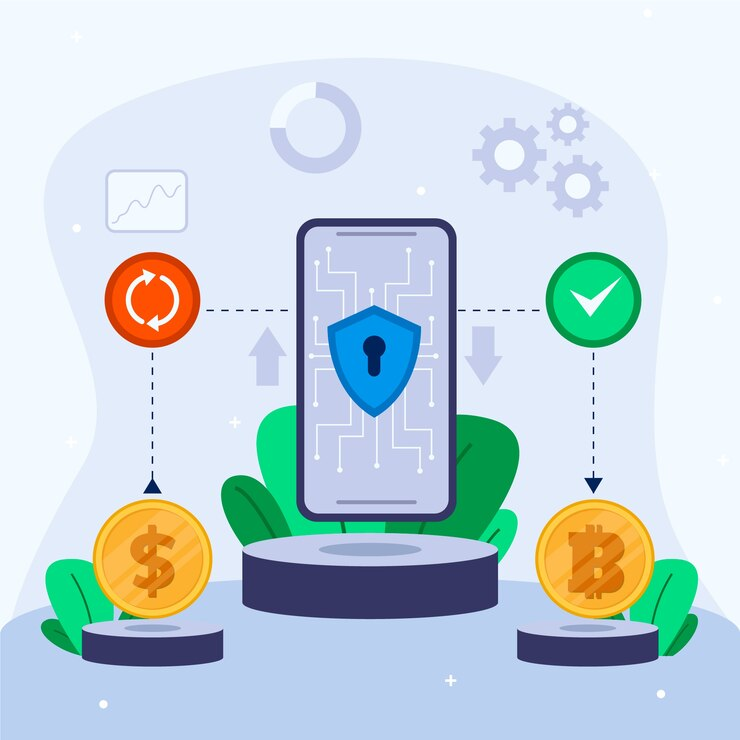
Understanding DeFi wallet protocols is essential for safely interacting with decentralized finance applications. Here are the key concepts, explained simply:
We have explained all crucial protocols related to DeFi crypto wallets that you will encounter while using the platform. It helps both beginners and existing users to optimally utilize all the features of the wallet efficiently.
Although blockchain is the securest technology so far, even the best crypto wallet app needs safe handling. Data stealers may attempt to approach your wallet through phishing, rug pulls, private key theft, etc. Being an owner of a non-custodial cryptocurrency wallet, it is your responsibility to stay aware of any potential risk. Always remember these important tips:-
Now that basic understanding and all the crucial protocols related to DeFi crypto wallets are clear to you, it’s the right time to make the initial step for investment. If you need more details regarding any complex term, our friendly support team is always there to educate you.
As we progress through 2024, the cryptocurrency landscape has diversified far beyond the realms of traditional digital assets, giving rise to an alluring world of non-fungible tokens (NFTs). These unique, indivisible, and verifiably scarce tokens have upended the creative and collectible industries, fostering a vibrant digital ecosystem where innovation and artistic expression coalesce. In this comprehensive guide, we will delve into the latest trends and opportunities in the NFT space while offering valuable insights and best practices to help you navigate the rapidly evolving NFT market.
NFTs are effectively revolutionizing the ownership and monetization of digital content, ranging from art, music, and gaming assets to virtual land and limited-edition collectibles. By leveraging blockchain technology, NFTs bring unparalleled levels of transparency, authenticity, and security to the table, ensuring creators receive fair compensation for their work while collectors secure genuine digital assets. Moreover, the NFT landscape has witnessed tremendous growth and transformation over the years, unveiling new platforms, applications, and investment opportunities for both seasoned and novice enthusiasts.
Join us as we venture into the fascinating realm of NFTs in 2024, equipping you with the knowledge and resources required to stay ahead of the curve and make the most of the unique opportunities therein. Together, we will explore high-profile NFT platforms, discuss practical strategies for building and managing your NFT collection, and clearly define the legal and financial implications of participating in this thriving digital domain. With our guidance, you can confidently dive into the world of non-fungible tokens, seize the numerous opportunities at hand, and enjoy a rewarding journey through the burgeoning NFT marketplace.
Having set the stage for our in-depth exploration of the dynamic NFT landscape, let us embark on our journey to uncover the intricacies and nuances of non-fungible tokens across different realms. In the following sections, we will dive deep into emerging trends, opportunities, and best practices, empowering you to seize the vast potential of NFTs and enrich your digital asset portfolio.
As the NFT landscape continues to expand, numerous platforms and marketplaces have emerged, catering to diverse requirements, preferences, and audiences. To help you make the most of the burgeoning NFT market, here is a selection of high-profile platforms worth considering:
– OpenSea: As one of the most popular and extensive NFT marketplaces in 2024, OpenSea supports a wide array of digital collectibles, engaging the creative community and collectors alike.
– Rarible: Rarible offers creators an intuitive NFT minting platform, while collectors can explore its marketplace for unique digital art, music, and multimedia assets.
– Decentraland: This decentralized virtual world empowers users to create, explore, and trade digital assets, providing a vibrant online space for NFT enthusiasts to build and inhabit virtual land.
Evaluate each platform’s functionalities, audience, and asset categories, tailoring your NFT investment decisions to your unique interests and goals.
Curating a diverse and valuable NFT collection calls for strategic decision-making and a profound understanding of the NFT market dynamics. To optimize your portfolio and enhance your NFT investment journey, consider these practical strategies:
– Diversify Your Holdings: Invest in a variety of NFT projects and asset classes, mitigating the risks associated with market fluctuations and focusing on long-term growth potential.
– Assess Rarity and Utility: Analyze the rarity and utility of NFTs in your collection, ensuring you pick digital assets that maintain value and demand.
– Stay Informed: Regularly monitor industry news, trends, and project updates, and engage with NFT creator and collector communities to access valuable insights and stay ahead of the game.
By adopting these practices, you can bolster your NFT holdings and accrue long-term value from your investment.
Navigating the legal and financial aspects of NFT trading is crucial for compliant and well-informed investment decisions. Here are essential considerations to bear in mind as you participate in the NFT market:
– Copyright and Intellectual Property: While NFT ownership establishes proof of digital asset possession, copyright and intellectual property rights may remain with the creators, depending on the NFT’s terms and conditions.
– Taxation: NFT transactions may be subject to capital gains tax. Consult a professional tax advisor to ensure compliance with applicable regulations in your jurisdiction.
– Fraud and Counterfeits: Beware of fraudulent and counterfeit NFTs, conducting thorough due diligence before making any investment decisions.
By addressing these legal and financial considerations, you can confidently engage in the NFT marketplace and capitalize on the opportunities therein.
As decentralized finance (DeFi) continues to mature, its intersection with NFTs has resulted in innovative applications and investment opportunities worth exploring:
– NFT Lending and Collateralization: Borrow or lend digital assets through DeFi platforms, using NFTs as collateral to unlock their locked value without selling them.
– Fractionalized NFT Ownership: Invest in high-value NFTs through fractionalization, which divides the ownership of a single NFT into multiple shares, accessible to a wider audience.
– NFT-Backed Yield Farming: Engage in yield farming using NFTs, earning returns by providing liquidity to platforms that facilitate NFT transactions.
These groundbreaking DeFi-NFT applications expand the investment options for both digital asset categories, delivering a more cost-effective, accessible, and diverse investment experience.
As the world of non-fungible tokens experiences unprecedented growth and transformation, 2024 presents ample opportunities for crypto enthusiasts to dive headfirst into this flourishing market. By exploring the latest trends and platforms, adopting practical strategies for building and managing your NFT collection, understanding the legal and financial implications of NFT trading, and embracing the potential of DeFi and NFTs, you can harness the vast possibilities offered by this rapidly evolving digital domain.
Embark on your NFT exploration journey with The Crypto Exchange’s crypto trading platform, empowering you with the knowledge, resources, and expertise essential for navigating the captivating world of digital collectibles. Together, we will uncover the extraordinary potential of NFTs, transforming your investment portfolio and bringing you closer to achieving your long-term financial aspirations. Sign up today!
With a decade-long tenure in the dynamic and rapidly evolving field of cryptocurrency, The Crypto Exchange and its team of experts stand as seasoned leaders at the forefront of the digital financial revolution.
Developed @ BLAZE